The Resources section provides structured access to key project-related materials, including analytical studies, agreements, safety assessments, gender issues, dam safety analysis and human-centered content.
It serves as a central knowledge hub, supporting transparency, informed decision-making, and public engagement by making complex information accessible to both experts and the general audience.
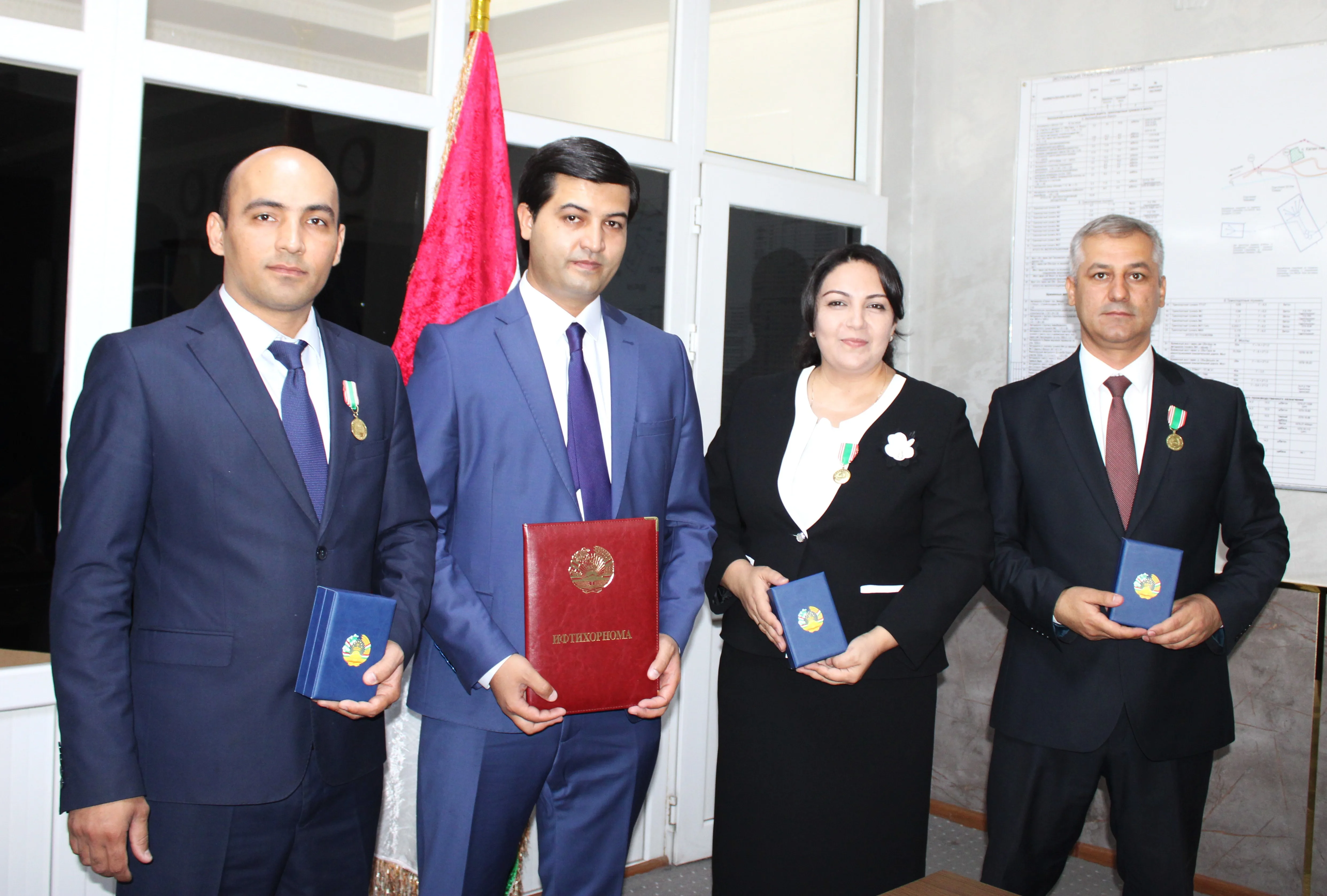
Ahead of the nationwide celebration of the 35th anniversary of the State Independence of the Republic of Tajikistan, a ceremony was held to honor outstanding professionals with state awards. During the ceremony, Usmonali Usmonzoda, Deputy Prime Minister of the Republic of Tajikistan, presented state awards on behalf of the Founder of Peace and National Unity — Leader of the Nation, President of the Republic of Tajikistan, His Excellency Emomali Rahmon. In recognition of many years of dedicated service, high professional standards, commitment to their responsibilities, and significant contributions to the development of the energy sector and strengthening the country’s energy independence, staff members of the Project Management Group for Energy Facilities Construction under the President of the Republic of Tajikistan (PMG) were honored with state awards, including the “Khidmati Shoista” (For Worthy Service) Medal and the Certificate of Honor of the Republic of Tajikistan. Zamira Abdulalimova, Translator with the Project Management Group, was awarded the “Khidmati Shoista” Medal. Throughout her professional career, she has demonstrated a high level of expertise, integrity, and responsibility. Her dedicated service, consistent performance of her duties, and strong organizational skills have contributed significantly to the coordination and successful implementation of international projects and agreements. Mahmadnazar Yunusovich Ibrohimov, Consultant at the Advisory Center, was awarded the “Khidmati Shoista” Medal. He has made a significant contribution to the construction of the Rogun Hydropower Plant, a landmark infrastructure project for the country, as well as to strengthening effective cooperation with the World Bank and the Asian Infrastructure Investment Bank (AIIB). He provides ongoing technical oversight and coordination of Contracts under Lot 1 and Lot 1A with the Austrian company Voith Hydro, including equipment supply, replacement of temporary runner wheels with permanent ones for Units 5 and 6, preparations for the commissioning of Unit 4, and work related to intergovernmental arrangements for electricity export and transmission. Khairullo Azizulloevich Kurbonaliev, Head of the Hydropower Plants Sector within the Construction Department, was awarded the “Khidmati Shoista” Medal. He has demonstrated a high level of professional competence, discipline, and organizational capacity in construction supervision, technical oversight, and coordination of activities related to Lot 4 of the Rogun Hydropower Plant, one of the project’s key construction packages. He actively contributes to the work of international tender committees and cooperation with the World Bank and the Panel of Experts, supporting the protection of the national interests of Tajikistan and the engagement of reputable international contractors. Abdumanon Akbarzoda Saidi, Senior Specialist of the Construction Department, was awarded the Certificate of Honor of the Republic of Tajikistan. Having progressed in his career from a fourth-grade underground tunnelling worker to a lead engineer and senior technical specialist, he has made a valuable practical contribution to the construction of the Rogun Hydropower Plant’s main facilities. With his direct involvement, the construction of Construction Tunnels CT-1 and CT-2, the historic diversion and closure of the Vakhsh River channel, and the commissioning of Units 5 and 6 were carried out. He also contributed to the preparation of bidding documents for Lots 3 and 3A in accordance with the World Bank’s international standards and requirements. Speaking at the award ceremony, Deputy Prime Minister Usmonali Usmonzoda emphasized that the recognition of the achievements of energy sector professionals reflects the continued attention and support of the Government toward those whose dedicated work contributes to strengthening the country’s energy security and creating a solid foundation for sustainable economic development. The Project Management Group for Energy Facilities Construction sincerely congratulates its colleagues on receiving these well-deserved state awards and wishes them good health, continued dedication and energy, peace and prosperity, and further professional achievements in service to the country.
September 8, 2026
662
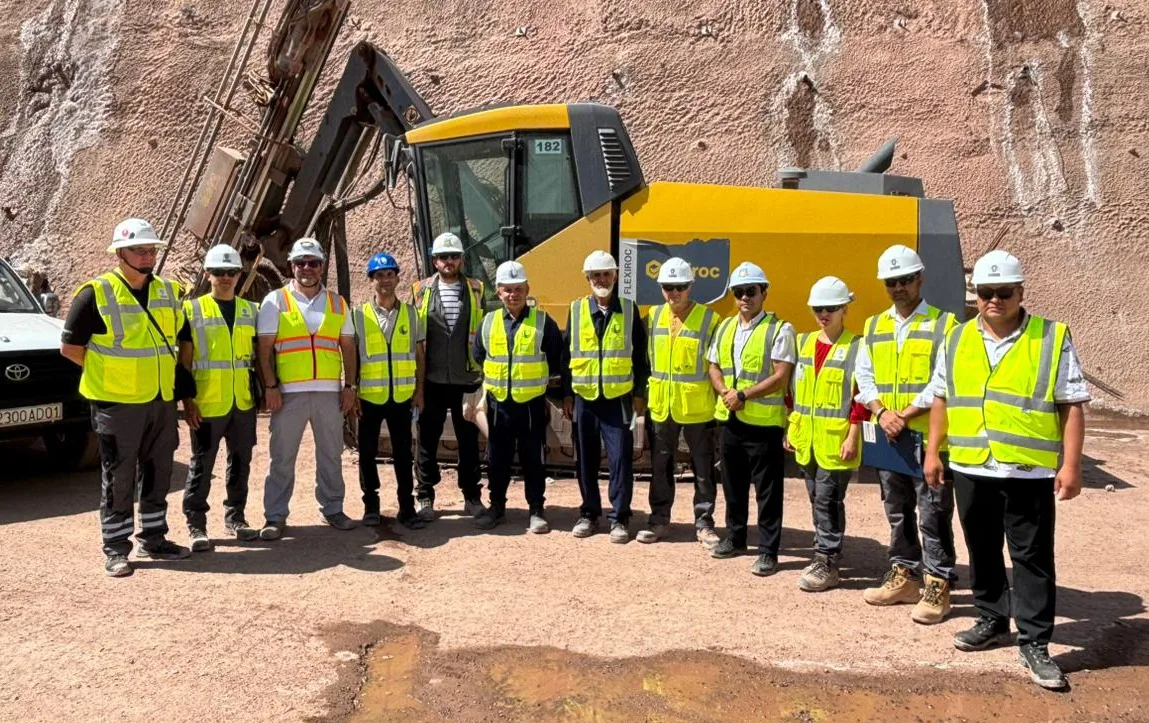
As part of the implementation of the Rogun Project, the Project Management Group (PMG) regularly monitors compliance with environmental and social requirements, as well as occupational health and safety requirements (ESHS), at the construction sites of the Rogun Hydropower Plant (Rogun HPP). The monitoring visits are conducted in accordance with the approved monitoring program and the Project’s commitments to international financial institutions. They are aimed at identifying and addressing potential risks and issues in a timely manner, monitoring compliance with established requirements, and maintaining high standards of environmental, social, occupational health and safety performance. The latest monitoring visit took place on August 26-27, 2026, with the participation of PMG specialists, representatives of Bureau Veritas, OJSC Rogun HPP, and the Project’s contractors. During the visit, working meetings were held with representatives of Bureau Veritas, OJSC Rogun HPP, and the contractors. The team also conducted a joint inspection of one of the Project’s construction sites. Particular attention was given to compliance with occupational health and safety requirements, ensuring safe working conditions, the use of required personal protective equipment, environmental aspects of construction activities, and effective coordination among all parties involved in the construction process. As a Project subcontractor, Bureau Veritas serves as the supervisor responsible for overseeing compliance with occupational health and safety and environmental protection requirements (HSE) under the Rogun HPP Project. In line with its responsibilities, Bureau Veritas carries out supervision and monitoring of compliance with the relevant requirements at the Project’s construction sites, including through engagement with the main contractors and their subcontractors. An important part of the monitoring visit was the discussion of social aspects of Project implementation and further improvement of the Grievance Redress Mechanism (GRM). During meetings with representatives of Bureau Veritas, OJSC Rogun HPP, and the contractors, the team reviewed grievances and concerns received from local communities, as well as the processes for their registration, documentation, timely review, and provision of feedback to complainants. PMG continues to give particular attention to the environmental and social aspects of Project implementation, occupational health and safety, and effective engagement with communities affected by the Project. These areas are an integral part of the responsible, safe, and sustainable development of the Rogun Project and contribute to ensuring that its implementation meets established requirements and international standards.
September 2, 2026
433
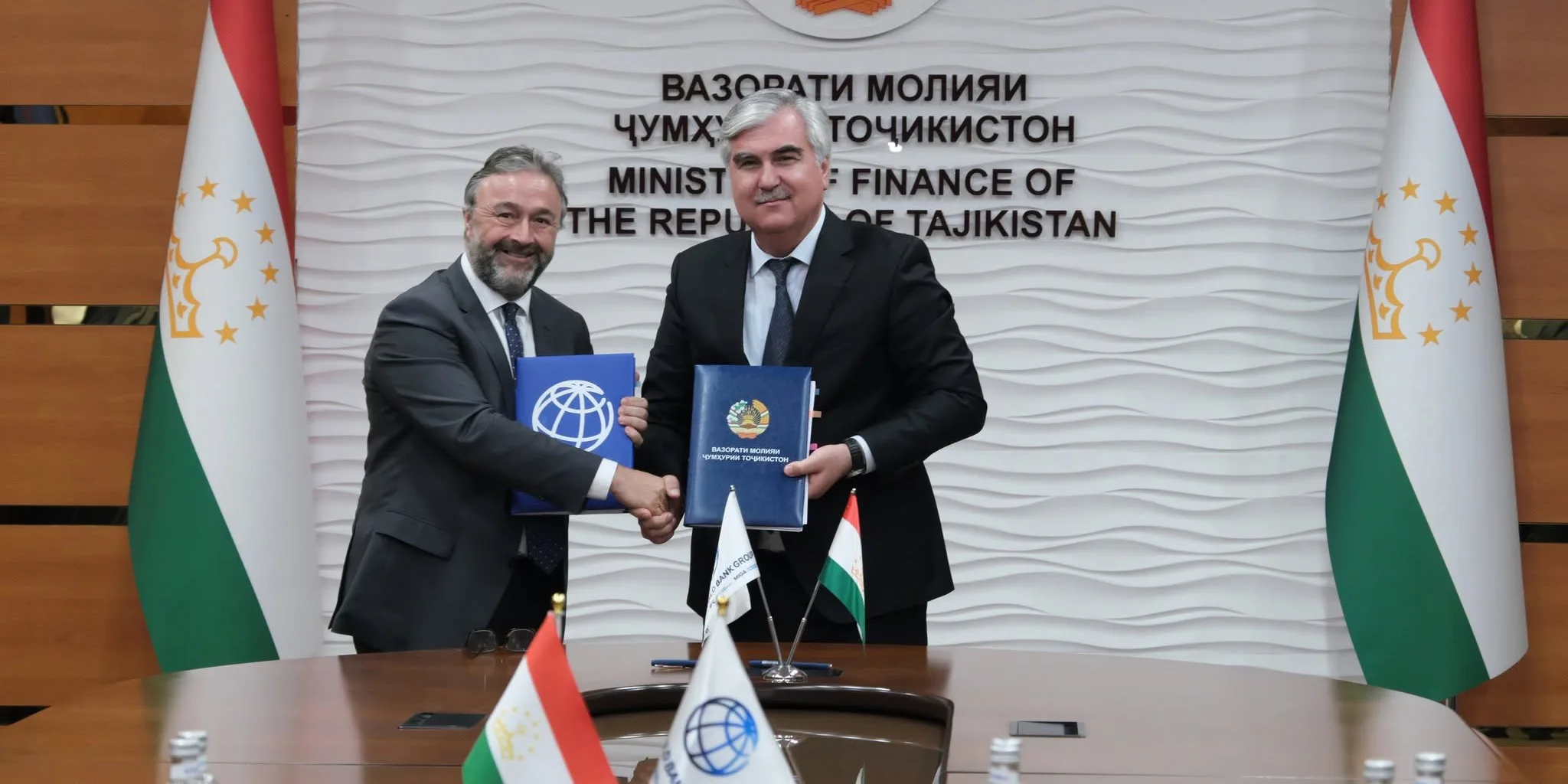
The World Bank's Board of Directors has approved a US$300 million grant from the International Development Association (IDA) to support the second phase of the Rogun Hydropower Project in Tajikistan. Building on the US$350 million IDA grant approved in 2024, the additional financing will help advance construction of the Rogun Hydropower Plant while supporting dam safety, environmental and social measures, and improved reservoir operations. The project supports Tajikistan's efforts to strengthen energy security in the country and expand access to reliable, clean electricity in Central Asia. Read the full press release: https://www.worldbank.org/.../advancing-energy-security
July 13, 2026
1093
July 8, 2026
571

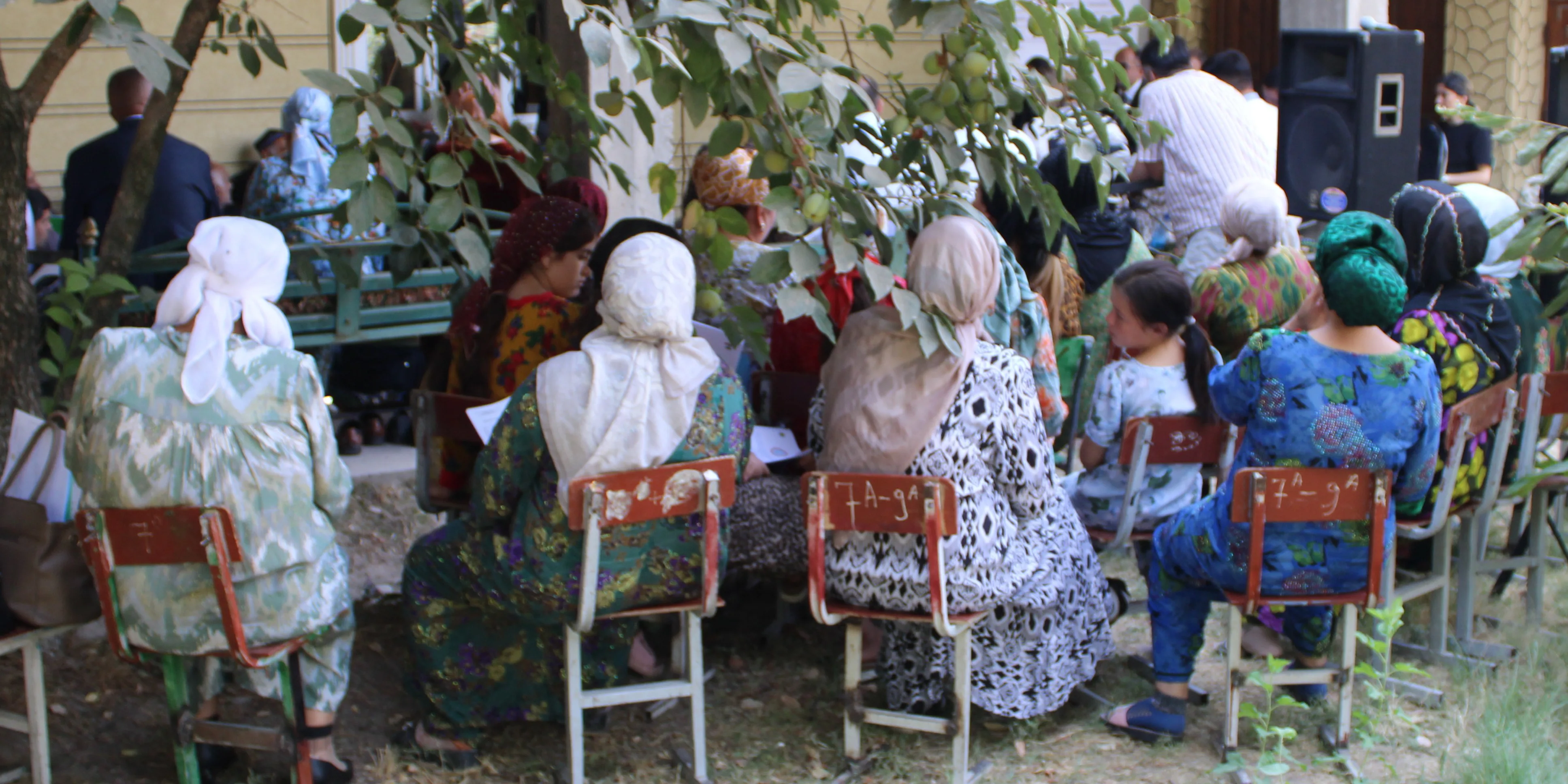
On 2–3 July 2026, a two-day training on "Building Inclusive and Gender-Responsive HR Practices in the Energy Sector" was held in Dushanbe, bringing together 30 participants representing human resources professionals, senior managers, project implementation teams, and social and gender specialists from key energy sector institutions. The event was organized under World Bank-supported energy projects and aimed to strengthen human resource management practices that foster more inclusive, respectful, and gender-responsive workplaces. The training was facilitated by Ksenia Kim, an international human resources management expert, with the participation of representatives of the World Bank. The event was officially opened by Mr. Gael Raballand, World Bank Group Country Manager for Tajikistan, who delivered welcoming remarks emphasizing the importance of strengthening human capital and promoting inclusive human resource management practices across the energy sector. He highlighted the World Bank’s continued commitment to supporting institutional capacity development, gender equality, and the creation of safe and inclusive workplaces, and wished all participants a productive training and successful implementation of the knowledge and skills gained throughout the programme. The training responded to findings from recent HR gender assessments conducted across participating energy sector entities within the framework of the implementation of the Gender Action Plan. These assessments highlighted common workforce challenges, including the underrepresentation of women in leadership and technical positions, limited pathways for attracting young female professionals, the need for stronger retention and career development mechanisms, and opportunities to improve workplace culture and gender-responsive HR policies. Through expert presentations, practical exercises, group discussions, and peer learning, participants explored modern approaches to inclusive recruitment, employee retention, leadership development, respectful workplace culture, and evidence-based HR decision-making. Representatives from the Project Management Group (PMG), the Directorate of the Flood Zone (DFZ), OJSC Rogun HPP, contractor organizations, other World Bank-funded Project Implementation Units (Pamir Energy and Barqi Tojik), as well as members of the WeSEE Network (Women’s Empowerment in Sustainable Energy in Europe and Central Asia) and the World Bank exchanged experiences and discussed practical solutions tailored to the operational realities of the energy sector. The training emphasized the importance of strengthening institutional capacity to attract and retain qualified professionals while creating equitable opportunities for career growth and fostering safe, inclusive working environments. As a key outcome of the training, participating organizations identified practical priority actions to strengthen their HR systems over the coming months and reaffirmed their commitment to implementing the activities and indicators of the Gender Action Plan, including improvements to recruitment processes, employee development, workplace policies, and the use of gender-disaggregated HR data for informed decision-making. The event also reinforced collaboration among participating institutions and laid the foundation for continued knowledge sharing and future capacity-building initiatives to support a more diverse, inclusive, and resilient energy workforce in Tajikistan.
July 6, 2026
349
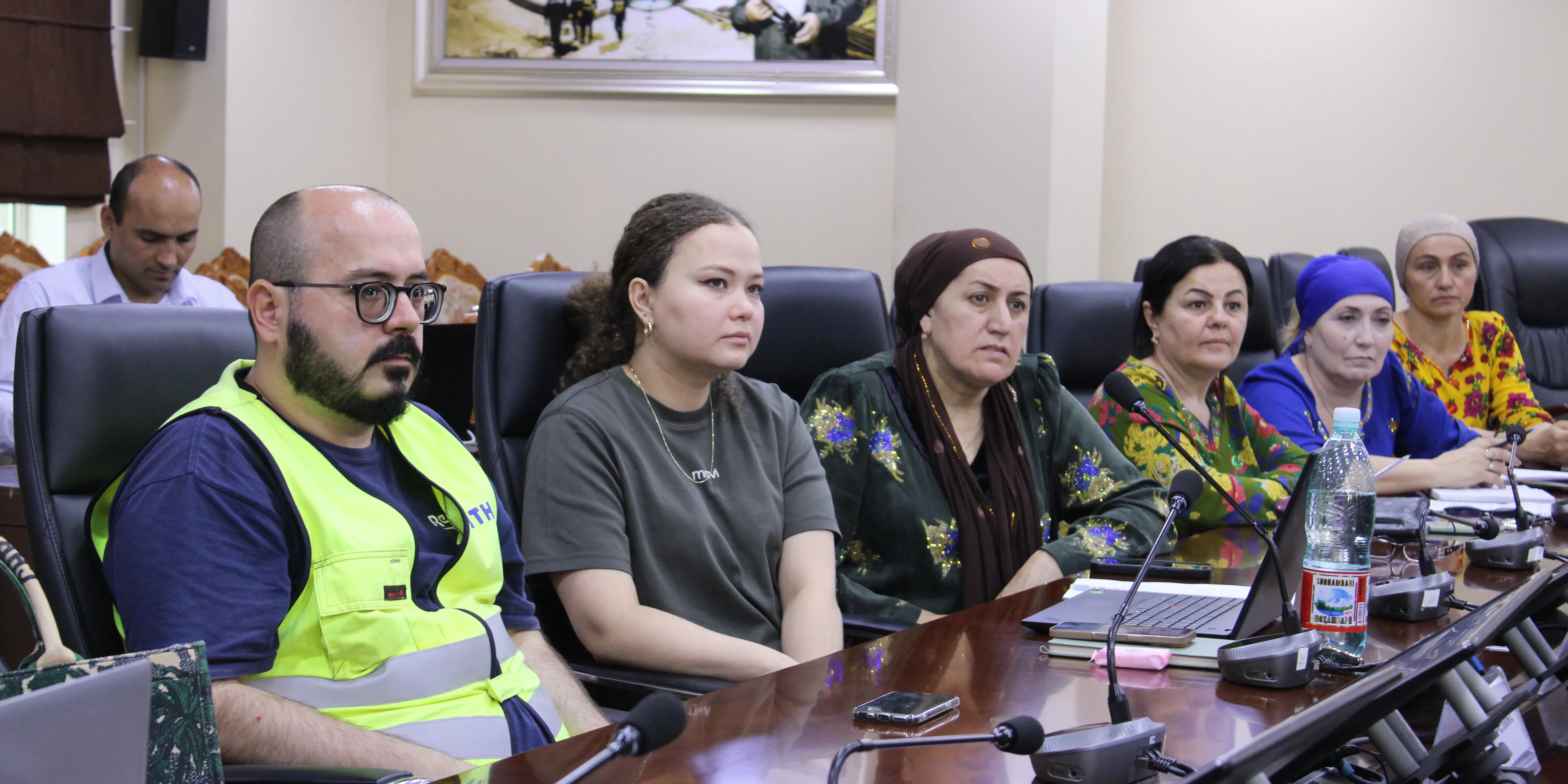
On 10 June 2026, the Project Management Group (PMG) conducted a training session on Sexual Exploitation and Abuse/Sexual Harassment (SEA/SH), the Code of Conduct, the Grievance Redress Mechanism (GRM), and Gender Referral Pathways for representatives of JSC Rogun, contractors, human resource specialists, and appointed social and gender focal points. The training was organized as part of ongoing efforts to strengthen awareness of the staff and workers at JSC Rogun and to address SEA/SH risks, ensure workplace safety, promote gender equality, and ensure compliance with the World Bank’s environmental and social requirements. The interactive session provided participants with the explanation of the key definitions on SEA/SH, practical guidance on preventing and responding to SEA/SH risks, explaining the CoC with inclusion of SEA/SH clauses, and description of the disciplinary sanctions for violation of the code; handling SEA/SH sensitive grievance mechanism through GRM that, and understanding available support services for survivors for gender referral pathway that will be further elaborated. Discussions highlighted the importance of creating a respectful working environment where all workers, regardless of gender, feel safe and empowered to raise concerns. Participants also have been explained the roles and responsibilities of the social/gender focal points towards expectations of the project from them on the implementation of the gender action plan. The training generated active discussion and reflection among participants. One participant noted: “I did not realize that there are so many programmes and mechanisms in Tajikistan aimed at protecting women’s rights. It was a real discovery for me.” Another participant emphasized the practical value of the session, stating: “This is a very important initiative. People need to know that such mechanisms exist and that these cases should not be ignored.” By increasing awareness of workers’ rights, reporting mechanisms, and SEA/SH risks prevention measures, the training contributes to strengthening institutional capacity across the Rogun HPP Project. It also supports the project’s broader goal of fostering an inclusive, safe environment, and respectful workplace culture where both women and men can participate equally and confidently in the development of one of Tajikistan’s largest infrastructure projects in the energy sector.
June 16, 2026
586
https://drive.google.com/file/d/1MaeKQIktCNmlQVBEIg1krWFhlL0-Yi8j/view
May 7, 2026
734
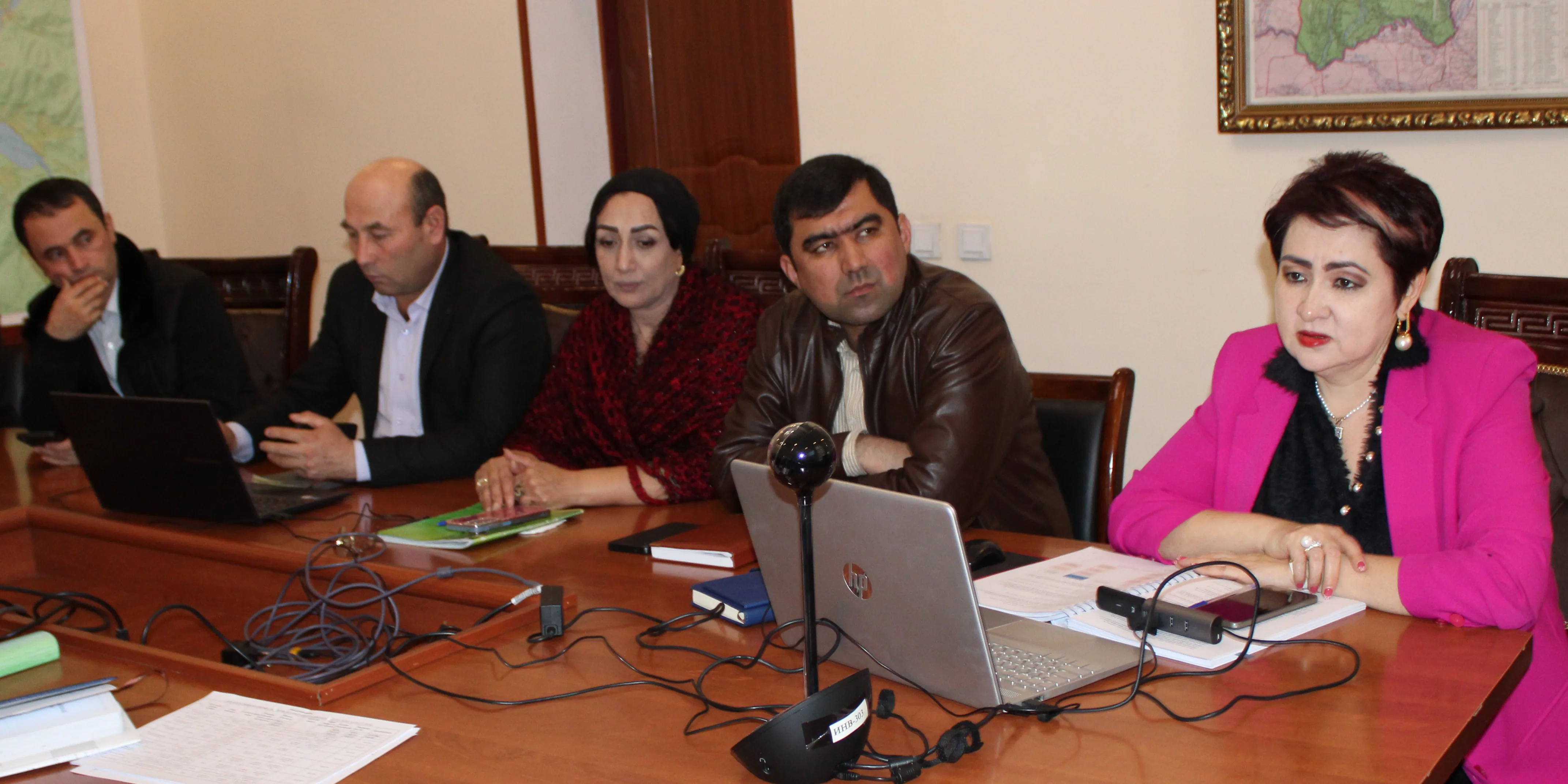
The Project Management Group (PMG) together with the World Bank held the partner onboarding meeting to welcome three entities, including PMG, OJSC Rogun and DFZ to the WeSEE Network (Women’s Empowerment in Sustainable Energy in ECA). It is a regional initiative dedicated to advancing gender equality in the energy sector across Europe and Central Asia (ECA). The network aims to increase women’s participation in energy-related fields, promoting their employment in technical and leadership positions. The purpose of the meeting was to familiarize participants with the concept, objectives, structure and expectations of the WeSEE network, as well as opportunities for engagement. The session increased awareness of gender gaps identified through HR survey conducted in partner organizations and highlighted practical approaches to support women’s participation in technical and leadership roles. Participants were introduced to the four strategic pillars of WeSEE: supporting the transition from STEM education to employment, promoting recruitment and career growth of women, creating inclusive and safe workplaces, and advancing policy and institutional changes. The structure of the initiative and the role of partners were also presented, including commitments to implement gender-focused actions and report on the progress. The initiative is coordinated by the ECA Energy and Gender Facility (ECAGE) program at the World Bank, serving as the interim secretariat, providing methodological support and a regional platform for collaboration, knowledge exchange, and capacity building. As a result of the meeting, participants gained a clear understanding of the WeSEE initiative and benefits of becoming a WeSEE partner. The initiative offers a framework for integrating gender approaches into the energy sector, contributing to more inclusive and sustainable development.
April 27, 2026
569

On 19 February 2026, a series of coordination and awareness meetings was held in Rogun under the Rogun HPP Project with the participation of representatives of the Project Management Group the Employer's Representative, the Contractor, the Rogun City Administration, and residents of Pasi Muhraho village. The meetings were organized as part of ongoing efforts to further strengthen road safety management along the main access road used by project vehicles and the local community. In line with international standards and national regulatory requirements, the Project has developed a Traffic Management Plan aimed at enhancing safety, improving traffic organization, and ensuring smooth coordination between the Project and local stakeholders. The team first met with the Mayor Sunatullo Saidzoda and Deputy Mayor Safarmamadzoda, where Project Management Group and Employer's Representative representatives presented the key components of the Traffic Management Plan, including planned improvements to pedestrian infrastructure, traffic signage, speed management measures, and enhanced monitoring and supervision mechanisms. The mayor welcomed the initiative and confirmed the City Administration's readiness to cooperate closely during implementation. Furthermore, an information session was held with the residents of Pasi Muhraho village to introduce them the objectives of the Traffic Management Plan, the planned safety measures, and the respective roles of the Project team, the Contractor (TGEM), and the community. The discussion was constructive, with residents sharing practical suggestions to further improve traffic organization and road conditions. Several community representatives were nominated to maintain regular communication with the Project team and to participate in joint monitoring activities, including weekly "Safety Walk" visits. In addition, participants were informed about the existing Grievance Redress Mechanism, which provides a formal channel for submitting questions or concerns. These meetings reaffirm the Project's commitment to transparent communication, community engagement, and continuous improvement of safety standards. The implementation of the Traffic Management Plan will contribute to enhanced coordination, improved road safety conditions, and the sustainable and socially responsible development of the Rogun Hydropower Project.
March 2, 2026
588

The Project Management Group held orientation meetings on February 12 and 19, 2026, to present the findings of the gender assessment and the Gender Action Plan. The events were attended by 36 key project staff members - 15 women and 21 men - including representatives of Rogun OJSC, the Directorate of Flood Zone, and the Project Management Group: managers, human resources departments, social and gender specialists, and occupational health and safety specialists. The purpose of the meetings was to familiarize participants with the key findings of the gender assessment, identified risks and recommendations, as well as the planned activities, indicators, and institutional commitments outlined in the Gender Action Plan. These meetings increased staff awareness of gender equality issues and opportunities for women's empowerment within the project. The presentation introduced with participants with the assessment methodology and the results of a field survey of 900 households in the Rogun, Nurobod, and Fayzobod districts. Findings from the focus group discussions conducted with women from resettled and host communities were also presented. The gender assessment and Action Plan were prepared in accordance with the World Bank's Environmental and Social Framework, which aims to reduce gender gaps, reduce poverty, and support sustainable economic growth. Participants were introduced to key terminology in the field of gender equality, international requirements, and current national legislation. Existing strategies and partnership opportunities were discussed to prevent and address gender issues during project implementation more effectively. Participants were also informed about the key measures proposed to prevent and mitigate gender risks and impacts, as well as about existing support services, including the national gender referral mechanism. Key actions and recommendations included the adoption and dissemination of the project's Code of Conduct; the implementation of an effective grievance redress mechanism; and mandatory introductory and refresher training courses to raise awareness of gender equality and GBV/SEA/SH. Strengthening equal opportunity policies and procedures that promote gender equality in access to employment and career advancement opportunities for women, with a focus on increasing the proportion of women in managerial and technical positions; opportunities to support skills development programs for women to gain employment; provision of childcare services (e.g., preschools/kindergartens) to enable women to benefit from social and economic opportunities; equal and inclusive consultation processes at all levels of project implementation to ensure that women's concerns and needs are understood and addressed; and as well as the improvement of sanitary conditions and facilities for women in work campuses. Participants were familiarized with a gender action plan developed based on the findings of the gender assessment, which includes four key pillars: (1) appointment of gender focal points among stakeholders; (2) building capacity to address GBV/SEA/SH risks at or near the Rogun HPP project site, resettlement sites, within the three entities implementing the Rogun HPP project and EPC contractors; (3) developing economic and social opportunities for women and girls among project-affected persons; and (4) creating greater opportunities for women as workers/employees at or near the Rogun HPP site and in the three project implementing entities (OJSC Rogun, Directorate of Flood Zone, and the Project Management Group). As a result of the meetings, staff gained a clear understanding of both the challenges and practical steps to address them. The Gender Action Plan provides a clear roadmap for integrating a gender approach into project implementation, which will enhance its sustainability and create tangible benefits for women and communities as a whole.
February 27, 2026
528
